In today's digital-first world, where information is just a click away, the competition for website traffic is fierce. One crucial question remains for marketers, business proprietors, and bloggers: SEO vs. content marketing—which drives more organic traffic? While each plays a pivotal role in a successful digital approach, understanding how each works and interacts is key to unlocking the best growth. At Cronbay Technologies, a digital marketing leader with deep expertise in mobile app marketing, we know how these two disciplines, when used effectively, can boost organic traffic growth, increase website traffic fast, and ultimately deliver measurable results for your target audience.
What is SEO, And Why Does It Matter for Website Traffic?
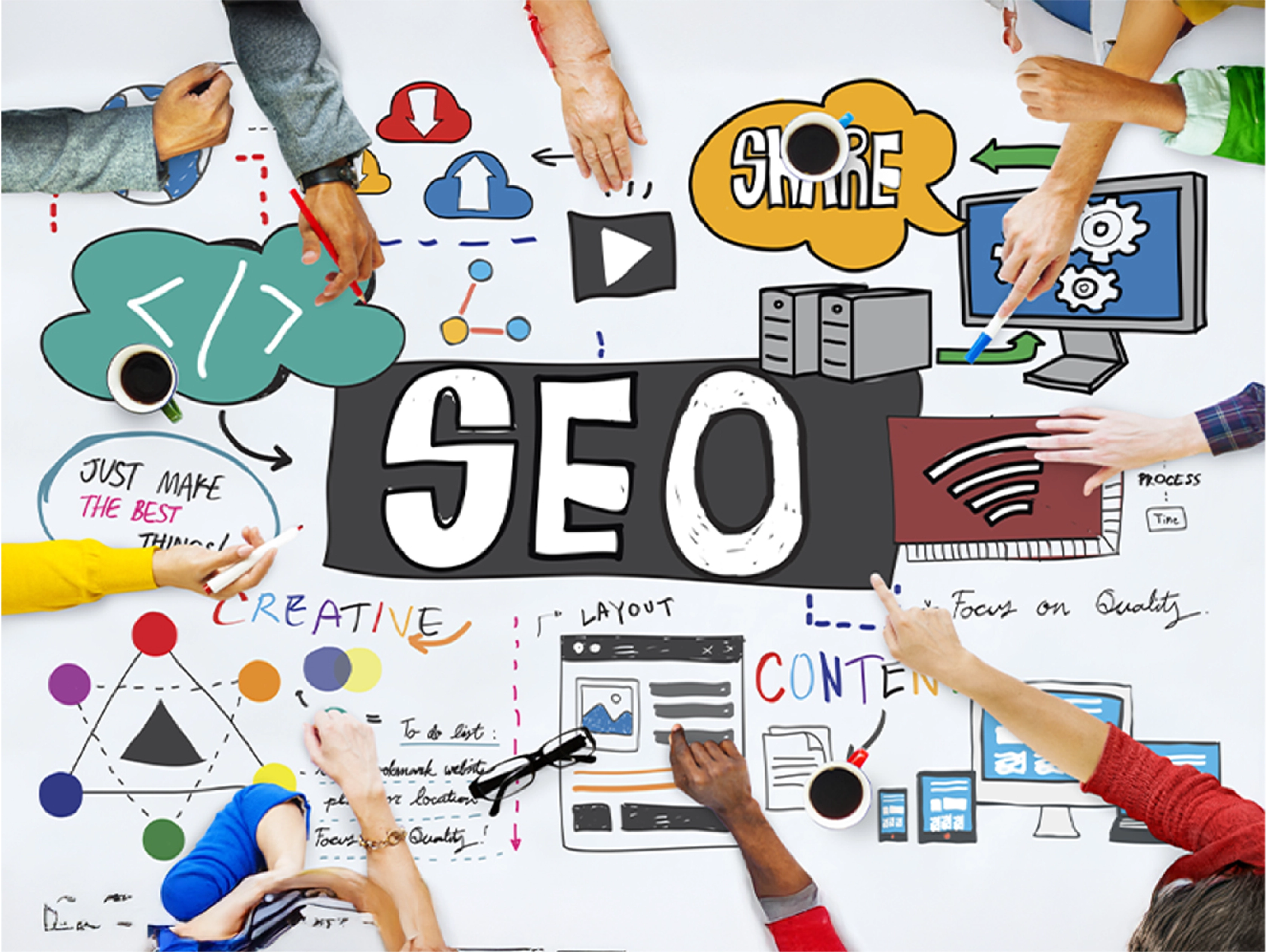
Search engine optimization (SEO) refers to the process of optimizing your website and its content to appear more prominently in search engine results. SEO focuses on technical factors such as keyword research, link building, on-page optimization, and website improvement. It's about making your blog discoverable to people actively searching for relevant topics, while also considering search algorithms and keyword difficulty.
SEO can be broken down into three main categories:
On-page SEO:
Optimizing individual web pages for specific keywords and improving content quality.
Technical SEO:Enhancing the website's backend structure, improving page load speed, and ensuring crawlability and indexability. This includes aspects like website architecture, structured data, and mobile optimization.
Off-page SEO:Building the site's authority through backlinks, social signals, and other external factors. This also encompasses local SEO and global SEO strategies.
Key Benefits of SEO:
- Enhances search engine visibility
- Attracts high-purpose visitors
- Drives regular, long-term blog traffic
- Improves website credibility and trust
- Increases click-through rates from search results
SEO in action at Cronbay: One of our clients experienced an 80% rise in organic traffic within six months once we implemented a robust SEO strategy targeted on high-traffic keywords, backlinks, and content optimization. This approach, which included competitive analysis and search volume considerations, significantly improved their SERP rankings and overall online visibility.
What is Content Marketing and How Does it Support SEO?
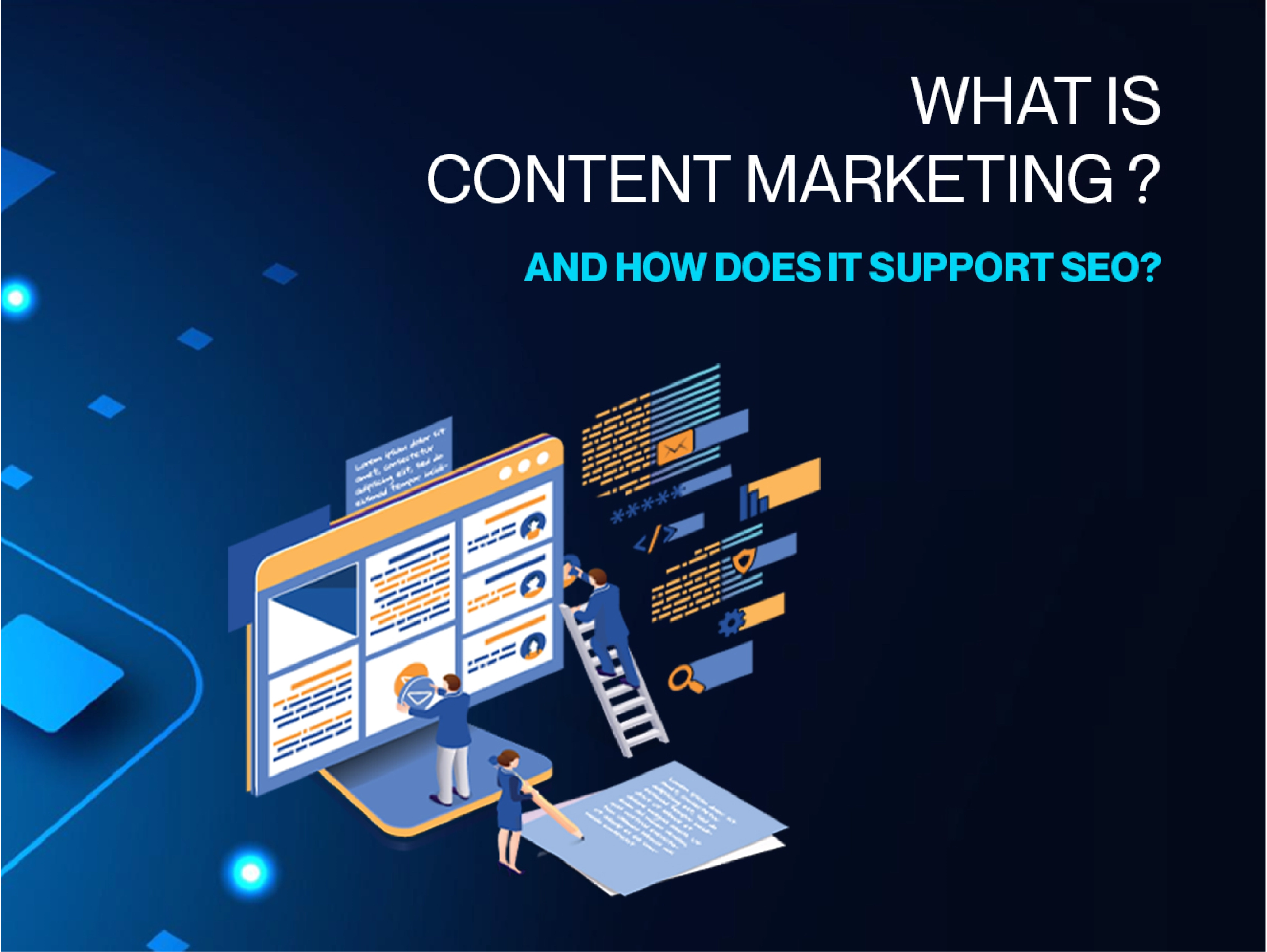
Content marketing entails developing and sharing valuable, relevant content to attract and retain a clearly defined target audience. This includes blog posts, videos, infographics, e-books, podcasts, and various other content formats. While SEO brings users to your content, content marketing keeps them engaged and encourages repeat visits, ultimately supporting lead generation and customer acquisition.
Key Benefits of Content Marketing:
- Builds trust and authority in your niche
- Keeps your audience engaged longer
- Increases time-on-page (a positive SEO signal)
- Encourages social sharing and backlinks
- Supports the creation of high-quality content that aligns with search intent
- Reduces bounce rate and improves customer loyalty
- Enhances brand awareness and thought leadership
Cronbay Content Success: Our content-driven campaign for a lifestyle client led to a 60% rise in brand engagement within just three months, demonstrating the power of a strategic content marketing strategy. This success was achieved through careful content planning and the use of various content marketing tactics.
SEO vs. Content Marketing: Key Differences
While SEO and content marketing are closely linked, they serve different purposes. SEO is technical and focuses on search visibility, whereas content marketing is creative and focuses on audience engagement and content performance.
| Feature | SEO | Content Marketing |
|---|---|---|
| Goal | Improve search engine visibility | Attract and retain audiences |
| Techniques | Keyword research, backlinks, technical optimization, internal linking | Blogging, storytelling, videos, infographics |
| Focus | Technical aspects and keyword optimization | Audience engagement and content relevance |
| Outcome | Higher rankings and increased organic traffic | Better brand loyalty and thought leadership |
While SEO is more technical and content marketing is more creative, combining both offers the best results for long-term website traffic success.
How They Work Together: A Unified Strategy
To grow your blog traffic effectively, SEO and content marketing must work hand-in-hand. Here's how:
- Keyword-Driven Content Creation: Use SEO data to find high-volume keywords and create valuable content around them, always keeping search intent in mind.
- Content Optimization: Implement SEO techniques (meta descriptions, title tags, headers, schema) to make content more discoverable.
- Content Promotion: Use email newsletters, social media content, and guest posting to promote your SEO-optimized content, driving both social media traffic and referral traffic.
- Measure & Refine: Continuously track performance using SEO metrics and engagement metrics, refining strategies based on content performance analytics and ROI analysis.
- Sales Funnel Integration: Align your content strategy with different stages of the sales funnel to guide visitors towards conversion.
Pro Tip from Cronbay: Build pillar content and topic clusters to enhance search visibility and user experience. This strategy has helped our clients achieve up to 300% ROI from content marketing efforts, significantly improving their content marketing ROI.
SEO vs. Blogging: Are They the Same?
No, however, they're intently connected. Blogging is a content marketing tactic, even as search engine optimization is a strategy that amplifies blog visibility. A blog without SEO may stay invisible; SEO without blog content has little fuel to run on.
Smart Strategy: Blogging often with SEO in mind can significantly boost your domain authority and keyword rankings. This is the best traffic generation method used extensively throughout industries to drive organic growth.
The Verdict: Which One Drives More Blog Traffic?
If your aim is fast visibility, SEO is your ticket. But for sustained engagement and brand growth, content marketing wins. But here's the reality: Neither works exceptionally in isolation. The real magic takes place when both are integrated. SEO brings people to your website, and content marketing keeps them there — and brings them back.
At Cronbay Technologies, we craft unified SEO and content strategies that deliver measurable outcomes through our performance and database marketing. From increasing website visibility to boosting conversion rates, our traffic strategies are data-driven and result-oriented. We use case studies to demonstrate the effectiveness of our approach in driving both organic and social media traffic.
Conclusion
Whether you choose SEO or content marketing, the real question shouldn't be "which is better?" but rather, "how can I use both together?" At Cronbay Technologies, we help brands thrive by combining the science of search engine optimization with the art of content. Our approach focuses on creating a robust content strategy that aligns with SEO best practices, ensuring maximum online visibility and organic growth.
Ready to boost your website traffic and see real improvements in your search rankings? Contact Us Today for a comprehensive SEO audit and content marketing strategy tailored to your business needs.
Frequently Asked Questions
1. Does SEO or content marketing drive more traffic?
Ans. Both. Search engine optimization brings users to your website, and content marketing engages them. Used together, they drive the most traffic and improve overall content performance.
2. How to get website traffic using SEO and content marketing?
Ans. Start with keyword research, write optimized content, promote it strategically, and track performance. At Cronbay, we use a full-funnel approach to maximize website traffic and improve conversion rates.
3. SEO vs. content marketing: What works better for blogs?
Ans. SEO works better for visibility and improving SERP rankings. Content marketing works better for engagement and building brand authority. Together, they deliver the best results in increasing website traffic and organic growth.
4. What is the most effective strategy for strengthening blog operations in 2025?
Ans.Utilize SEO-driven AI tools to create additional high-quality content while supporting the focus on E-E-A-T (Experience, Expertise, Authoritativeness, and Trustworthiness). Working with Cronbay experts accelerates successful outcomes and improves your overall content marketing ROI.